
13 Proven Customer Acquisition Strategy Examples (Complete Guide)
Finding new customers can often feel like shouting into the void. You know you have a great product or service, but getting it in front of the right people is a constant challenge. This guide breaks down 13 proven strategies, with a focus on simple, automatable methods perfect for small business...


Finding new customers can often feel like shouting into the void. You know you have a great product or service, but getting it in front of the right people is a constant challenge. This guide breaks down 13 proven strategies, with a focus on simple, automatable methods perfect for small business owners, helping you build a predictable stream of new customers without the guesswork.

Key takeaways: Your customer acquisition cheatsheet
- Don't try to do everything at once. Start with one organic channel (like content or SEO) and one paid channel (like social media ads) to find what works for your business.
- Focus on providing value first. Create helpful content, share useful tips, or offer a free resource to build trust before you ask for a sale.
- Automate repetitive tasks to save time. Use tools to automatically add new leads to your email list or share your blog posts on social media.
- Know your numbers. Calculate your Customer Acquisition Cost (CAC) to understand how much you're spending to get a new customer and which channels are most profitable.
- Turn happy customers into your best marketers. A simple referral program can be one of the most cost-effective ways to grow.
- Combine strategies for a 'flywheel' effect. Use paid ads to promote your best content, which in turn builds your email list and attracts long-term organic traffic.

Table of contents
- What is a customer acquisition strategy?
- 1. Build a Foundation with Content Marketing
- 2. Get Discovered with Search Engine Optimization (SEO)
- 3. Engage Your Audience on Social Media
- 4. Accelerate Growth with Paid Advertising
- 5. Nurture Prospects with Email Marketing
- 6. Leverage Your Existing Customers with Referral Programs
- 7. Expand Your Reach with Partnerships and Affiliates
- 8. Automate Your Acquisition Workflows to Scale
- 9. & 10. Combine Strategies Into an Integrated Framework
- Conclusion and Next Steps
- Frequently asked questions
- Additional Resources
What is a customer acquisition strategy?
A customer acquisition strategy is your business's comprehensive plan for attracting and converting new people into paying customers. It's not just one tactic, but a mix of channels and methods like content marketing, paid ads, and referrals working together to guide potential customers through the funnel. This section will define the core components: the customer acquisition funnel (Awareness, Consideration, Conversion) and key metrics like Customer Acquisition Cost (CAC) and Lifetime Value (LTV). Explaining why having a documented strategy prevents wasted effort and helps you make smarter marketing investments, even with a small budget, is crucial.
For instance, a local bakery's acquisition strategy might involve creating blog posts about "The Art of Sourdough" (content marketing), optimizing their website for "best bakeries near me" (SEO), and running targeted Facebook ads for birthday cakes (paid ads). Each element aims to attract a different type of customer or reach them at a different stage of their buying journey.

1. Build a Foundation with Content Marketing
Content marketing attracts customers by providing genuinely useful information that solves their problems, rather than just advertising your products. This involves creating a simple content plan by brainstorming common customer questions and turning the answers into blog posts, guides, or videos. The ultimate goal is to become a trusted resource, which makes potential customers more likely to choose you when they're ready to buy.
For example, a local accountant could write blog posts titled "5 Common Tax Mistakes Small Businesses Make" or "A Small Business Owner's Guide to Quarterly Taxes." These posts answer typical questions their target audience has, positioning the accountant as a knowledgeable expert and a valuable resource when tax season or business planning arises.
2. Get Discovered with Search Engine Optimization (SEO)
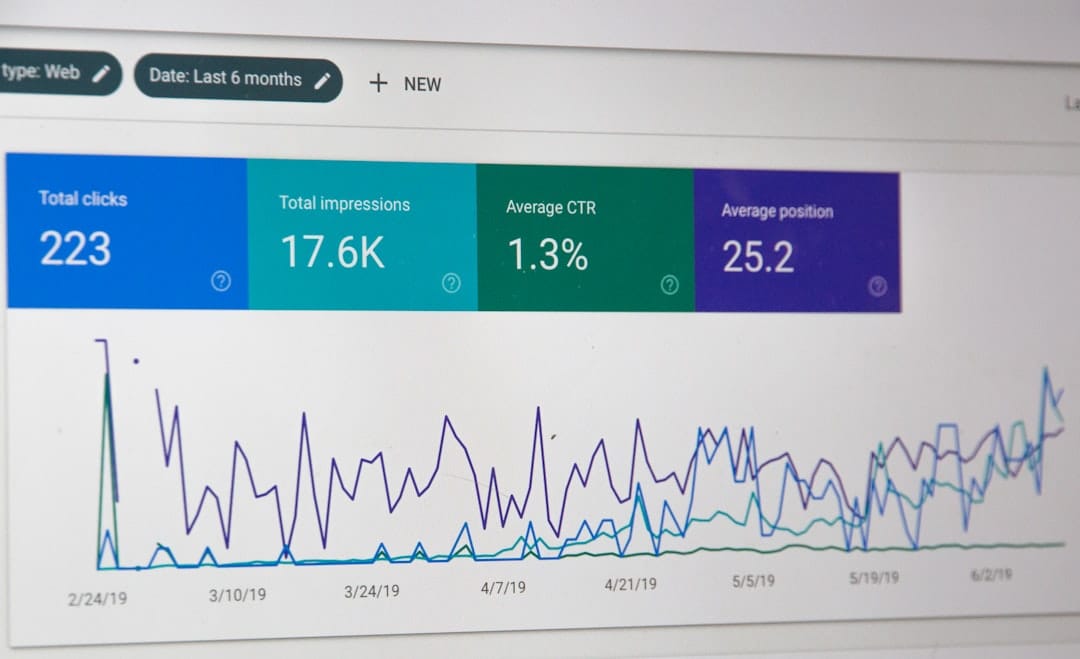
SEO is the process of optimizing your website and content to show up in Google search results when potential customers are looking for solutions you offer. This involves understanding the basics of on-page SEO in non-technical terms: using relevant keywords in your page titles and content, writing clear meta descriptions, and ensuring your site is mobile-friendly. Content marketing and SEO work hand-in-hand; your helpful blog posts are what will rank on Google and attract visitors over the long term. Free tools like Google Keyword Planner can help you find what your customers are searching for.
Imagine a plumber targeting keywords like "emergency pipe repair [your city]" or "how to fix a leaky faucet." By optimizing their website and service pages for these terms, they'll appear higher in search results when homeowners are actively looking for plumbing services, bringing in immediate, high-intent leads.
3. Engage Your Audience on Social Media
Social media marketing allows you to connect with prospects where they already spend their time and build a community around your brand. The key is to choose the right platform (e.g., Instagram/Facebook for B2C, LinkedIn for B2B) rather than trying to be everywhere. Simple, effective content ideas include behind-the-scenes looks, sharing customer successes, asking questions, and running polls. Stress the importance of engagement (replying to comments and messages) over just broadcasting promotional posts.
A craft brewery, for example, could use Instagram to share photos of new beer releases, host Q&A sessions with their brewer, run polls asking followers what style of beer they'd like to see next, and actively respond to comments and direct messages about their taproom hours or events. This creates a loyal following and keeps the brewery top-of-mind.
4. Accelerate Growth with Paid Advertising
Paid advertising allows you to get your message in front of a highly targeted audience immediately, making it ideal for testing offers and driving quick growth. For small businesses, the two main types are Search Ads (Google) that capture intent and Social Ads (Facebook/Instagram) that generate demand. A comparison visual can contrast Google Ads and Facebook Ads on targeting capabilities, user intent, typical cost, and best use cases. A simple starting point is boosting a high-performing social media post or creating a search ad for a very specific, high-intent keyword.
Consider a local florist running Google Search Ads for "same-day flower delivery [your neighborhood]" to capture people actively searching for immediate floral arrangements. Simultaneously, they might run Facebook Ads targeting local users interested in "anniversaries" or "romantic gifts" to build awareness and demand for their services, even from those not actively searching at that moment.
5. Nurture Prospects with Email Marketing
Email marketing is a powerful strategy for turning interested prospects into customers by building a direct line of communication with them. This involves creating a simple 'lead magnet' (like a checklist or discount code) to get people to sign up for your email list. A simple 3-part automated 'welcome series' typically includes: an email to deliver the lead magnet, one to introduce your story/brand, and one to present a soft offer. Ongoing emails can be used for newsletters, special promotions, and sharing new content to stay top-of-mind.
A fitness studio could offer a free "5-Day Home Workout Challenge" as a lead magnet. Once someone signs up, they receive an automated email delivering the challenge, followed by an email introducing the studio's philosophy and trainers, and then a final email offering a discounted introductory class package for new members.
6. Leverage Your Existing Customers with Referral Programs
A referral program systematically incentivizes your happy customers to spread the word, turning them into a dedicated sales force. This is often the most cost-effective acquisition strategy because it relies on trust and word-of-mouth. A simple framework for a referral program involves offering a double-sided incentive (e.g., 'Give $10, Get $10') for both the referrer and the new customer. Promote the program via email signatures, post-purchase thank you pages, and occasional social media reminders.
A software-as-a-service (SaaS) company might offer a "$50 credit for you and $50 credit for your friend" for every new paying customer they refer. This encourages existing users to actively recruit new ones, leveraging the trust they have in the product to their network.
7. Expand Your Reach with Partnerships and Affiliates
Strategic partnerships allow you to tap into the audience of a complementary, non-competing business. Differentiate between partnerships (e.g., a local gym co-hosting an event with a nutrition store) and affiliate marketing (paying a commission for sales driven by a blogger or influencer). A small business can find potential partners by looking at what other brands their ideal customers follow and admire. You can also structure a simple affiliate program using accessible software.
A wedding photographer could partner with an event planner to offer package deals, or an online course creator could collaborate with a complementary course instructor for a joint webinar series, cross-promoting each other's offerings to their respective email lists and social media followers.
8. Automate Your Acquisition Workflows to Scale
Automation connects your different marketing tools to handle repetitive tasks, freeing you up to focus on strategy and customer relationships. This includes automatically adding someone who fills out a form on your website to your email marketing list and a Google Sheet. A workflow diagram can illustrate a simple automation, such as 'When a customer makes a purchase on Shopify, wait 7 days, then send them an email asking for a review and offering a referral link.' Tools like Zapier can connect apps like Facebook Lead Ads, Mailchimp, and Google Sheets.
For example, when someone fills out a lead form on your website for a free consultation, Zapier can automatically add their contact information to your CRM, send them a confirmation email with your availability, and add them to a specific segment in your email marketing platform for follow-up.
9. & 10. Combine Strategies Into an Integrated Framework
An effective acquisition plan uses multiple strategies that work together to create a cohesive customer journey. This involves selecting the right mix of strategies based on your business type (e.g., local service vs. e-commerce), budget, and goals. An architecture diagram can show how different channels (SEO, Social, PPC) feed prospects into a central hub (website/email list) where they are nurtured and converted. A summary framework, such as a visual chart or flowchart, can help readers prioritize. For example: 'Goal: Immediate Sales -> Start with PPC & Referrals. Goal: Long-term Growth -> Start with SEO & Content Marketing.'
Consider an e-commerce store selling handmade jewelry. They might use Instagram ads (paid) to showcase new collections to a targeted audience, driving them to their website. On the website, visitors might sign up for an email newsletter (email marketing) in exchange for a discount code, receiving ongoing updates about new products and sales. Customers who make a purchase are then encouraged to share their purchases on social media (social media engagement) and refer friends (referral program), creating a continuous cycle of attraction and engagement.
Conclusion and Next Steps
Building a robust customer acquisition strategy is not a one-time task but an ongoing process of testing, learning, and adapting. By understanding the customer journey and employing a mix of organic, paid, and relationship-driven tactics, you can create a sustainable engine for growth. Remember to focus on providing value, leveraging automation, and understanding your key metrics to ensure your efforts are both effective and efficient.
Here are your concrete next steps:
- Define your Ideal Customer Profile (ICP): Clearly identify who your most profitable customers are and what their needs and pain points are.
- Choose One Organic and One Paid Channel to Start: Don't spread yourself too thin. Select one channel where you'll focus your content/SEO efforts and one paid channel where you'll experiment with advertising.
- Set Up a Simple Lead Magnet and Welcome Email Series: Offer a valuable resource in exchange for email sign-ups and create an automated welcome sequence to nurture new leads.
- Calculate Your Initial Customer Acquisition Cost (CAC): Track your marketing and sales spend for the chosen channels and divide it by the number of new customers acquired in a given period to understand your baseline cost.
- Explore Automation for Repetitive Tasks: Identify one tedious task (e.g., adding leads to a spreadsheet) and look for an automation tool that can handle it.
Frequently asked questions
What is a simple example of customer acquisition?
A coffee shop placing a sign outside offering a free coffee for new email subscribers is a customer acquisition tactic. The strategy is using a low-cost offer to build an email list for future marketing.
How do I calculate customer acquisition cost (CAC)?
The simple formula is: Total Marketing & Sales Spend / Number of New Customers Acquired. Be sure to include all relevant expenses in the 'spend' and understand why this metric is crucial for profitability.
What is the difference between customer acquisition and lead generation?
Lead generation is the first step—collecting contact info from someone interested. Customer acquisition is the full process of turning that lead into a paying customer, encompassing all stages from initial awareness to the final sale.
What is the most effective customer acquisition channel?
There's no single 'best' channel; it depends on your business, audience, and budget. However, referral marketing often has the highest ROI due to trust, while SEO provides the best long-term value and organic growth.
Can I acquire customers with no budget?
Yes. Focus on 'free' strategies that require time instead of money: creating helpful content for SEO, engaging on social media, building an email list organically, and actively asking for referrals.
What is a customer acquisition funnel?
The customer acquisition funnel represents the stages a person goes through: Awareness (they discover you), Consideration (they evaluate you), and Conversion (they buy from you). Different strategies are most effective at different stages.
How does customer retention relate to customer acquisition?
They are two sides of the same coin. Good retention means happy customers who are more likely to refer new ones, lowering your acquisition costs. It's generally cheaper to keep an existing customer than to acquire a new one.
How long does it take to see results from these strategies?
Set realistic expectations. Paid advertising can show results in days. Content marketing and SEO are long-term plays that can take 6-12 months to gain significant traction but build a lasting asset for your business.
What are the 5 C's of customer engagement?
A common framework for context is: Content, Conversation, Community, Connection, and Collaboration. These elements help deepen relationships, supporting both acquisition and retention efforts.
How many customer acquisition strategies should I use at once?
Advise starting small. Master one or two channels before adding more. A common recommendation is to start with one inbound strategy (e.g., SEO) and one outbound strategy (e.g., targeted social ads) to see what resonates.


